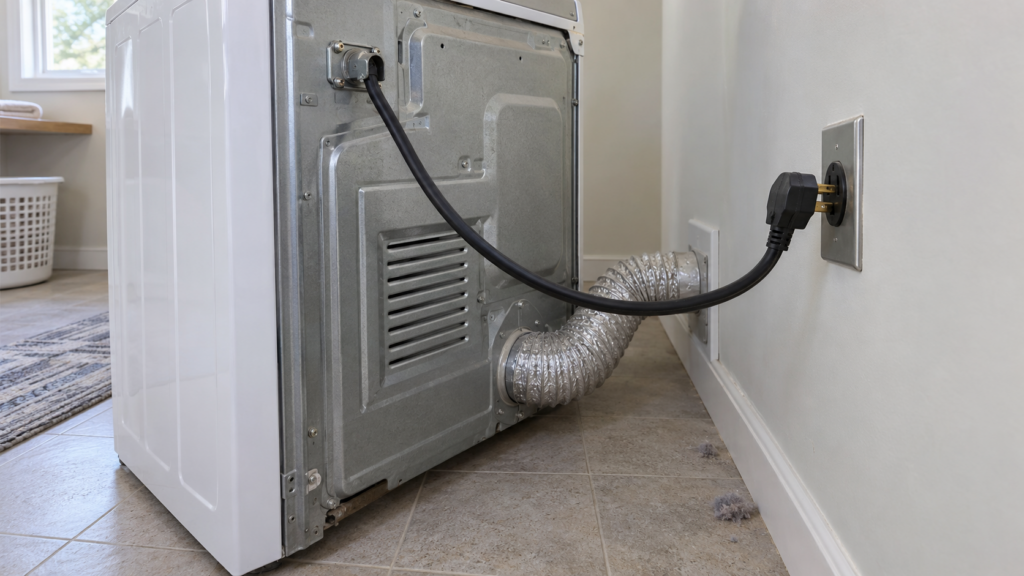
KitchenAid Dryer Won’t Start — What to Check in Order
A dead dryer is power, the door switch, a stuck key or the board. What each display and sound points to, and which checks cost nothing.
Read guide
Understand what's wrong before you call for service
A dead dryer is power, the door switch, a stuck key or the board. What each display and sound points to, and which checks cost nothing.
If your Kitchenaid fridge compressor is short-cycling, check the condenser coils and ensure the unit has proper clearance. If that doesn't fix it, the issue likely involves the start relay, fan mot...
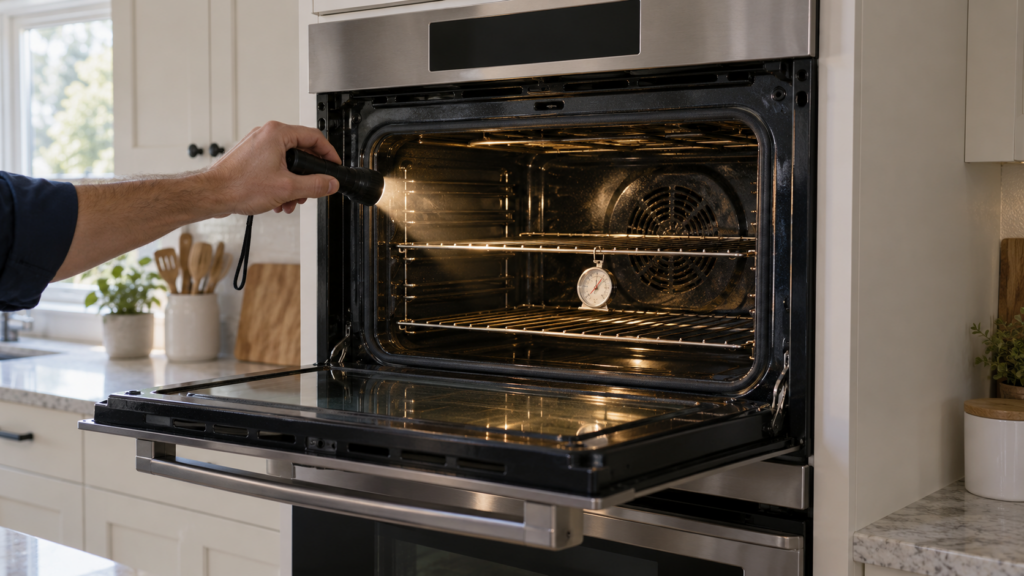
How to read KitchenAid wall oven codes, which ones mean stop using the oven, and what the sensor, door latch, control and steam-oven codes point at.
Start with the breaker and outlet. If both are fine and the drawer still won't start, the problem is likely internal (control board or heating element), which needs a certified technician.
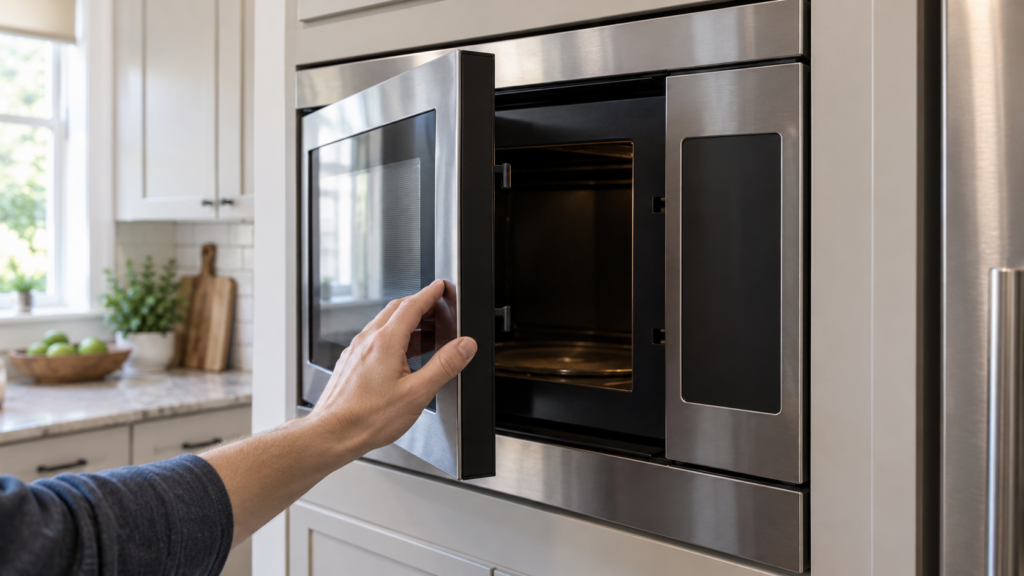
A KitchenAid microwave that shows F7 and will not start has a door interlock fault. What it means, what to check, and how it differs from the other microwave codes.
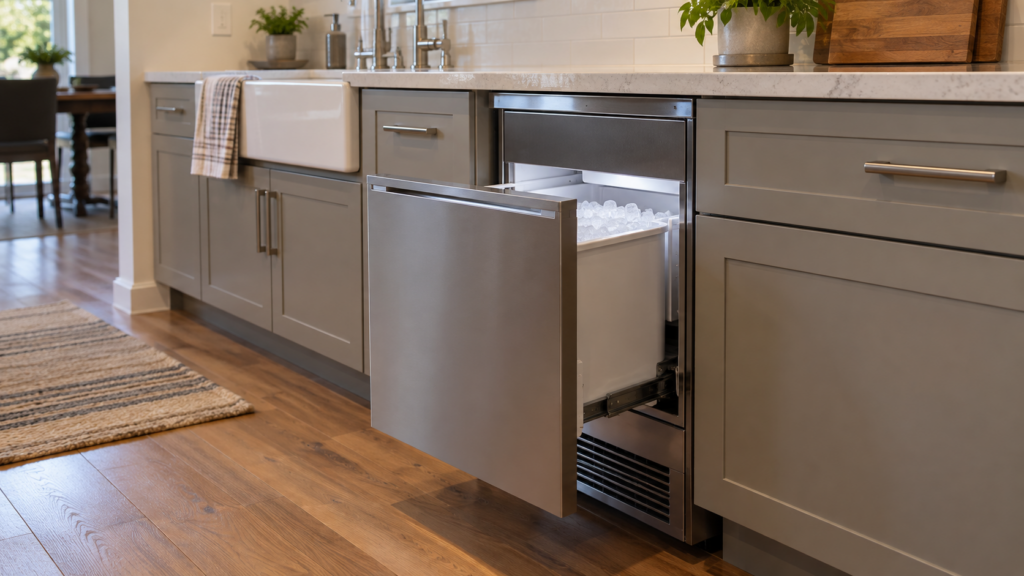
Eleven KitchenAid ice maker codes explained — communication, cooling, water fill, drain and compressor faults — and which ones mean stop using the unit today.
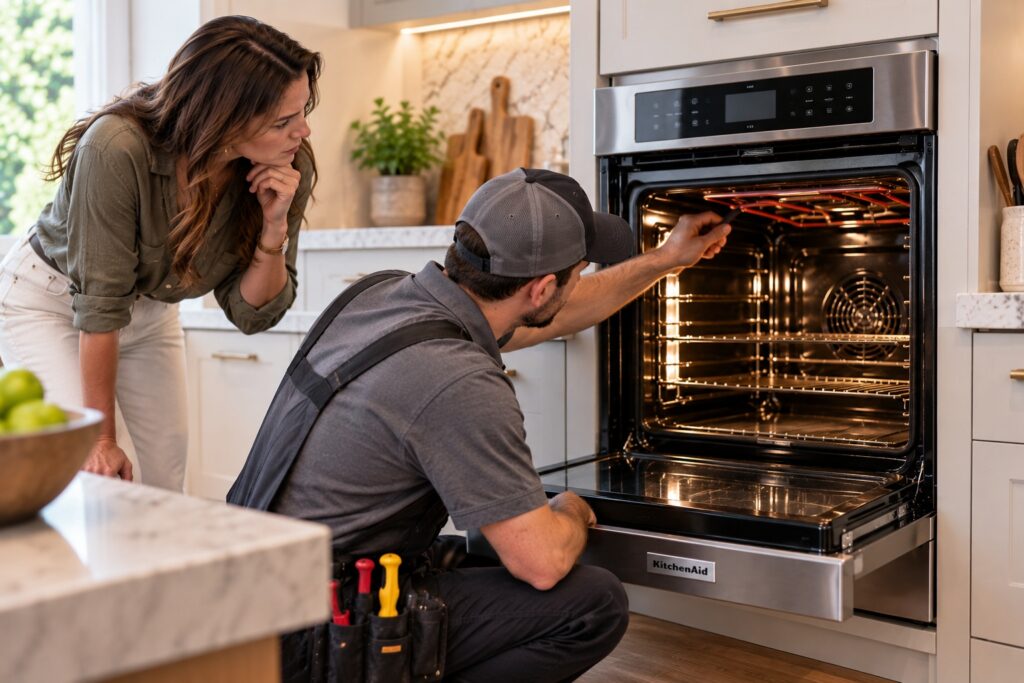
If your KitchenAid oven isn't heating, start by checking the breaker and looking for visible damage. If the problem remains, it likely involves internal components like a thermal fuse or control bo...
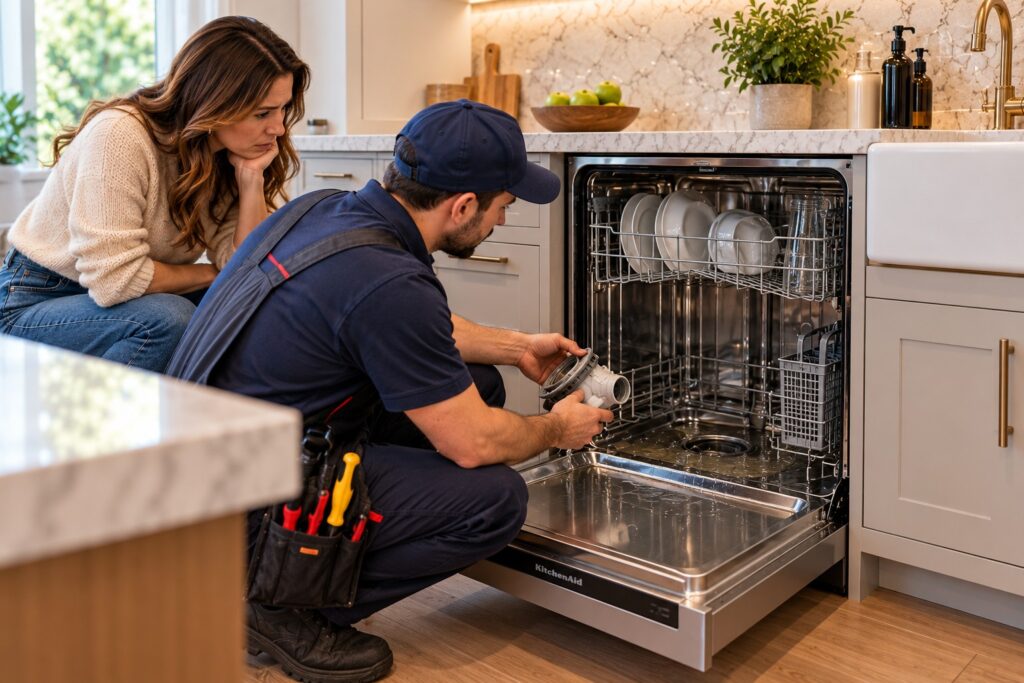
Start with the filter and drain hose. If those are clear but water remains, the issue is likely internal and requires a certified technician to safely diagnose and repair the pump or control board.
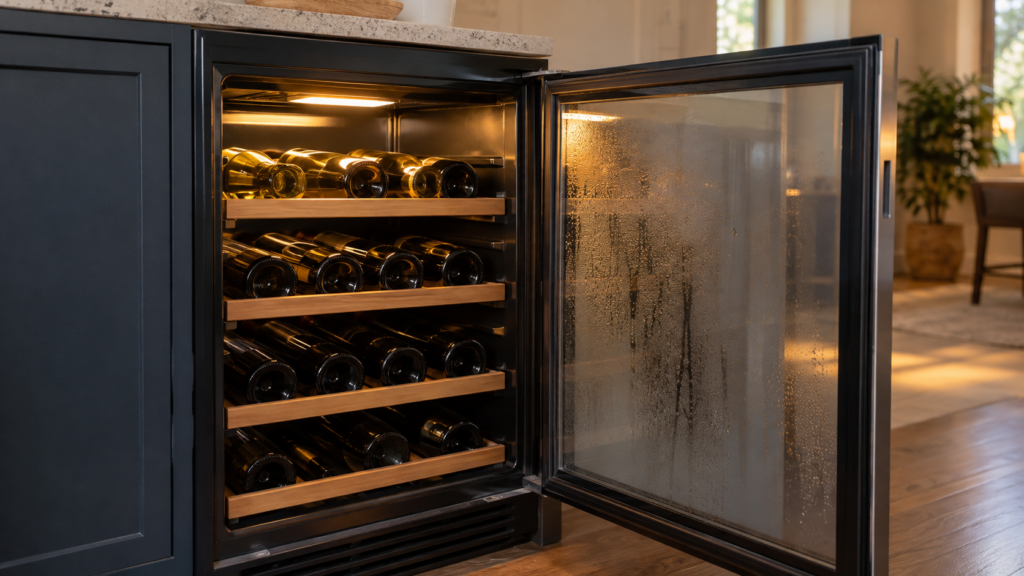
A wine cellar has a short code list and a long memory. What HI, LO, FC, SE, dr and PF mean on a KitchenAid wine cooler, and which of them put the bottles at risk today.

E1, F5 E0, F9 E0 and the rest of the KitchenAid induction codes, sorted by where they are generated: at the pan, at the inverter, at the cooling fan or on the control link.
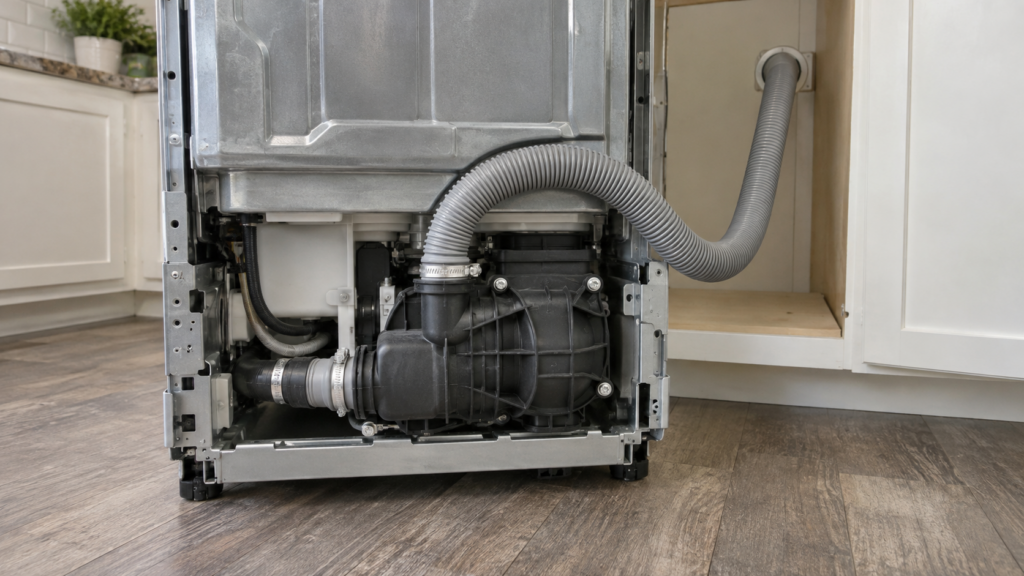
KitchenAid dishwashers report faults in two different code systems — F9 E1 on one generation, 8-1 on another. What each code means, grouped by the part of the machine it points at.
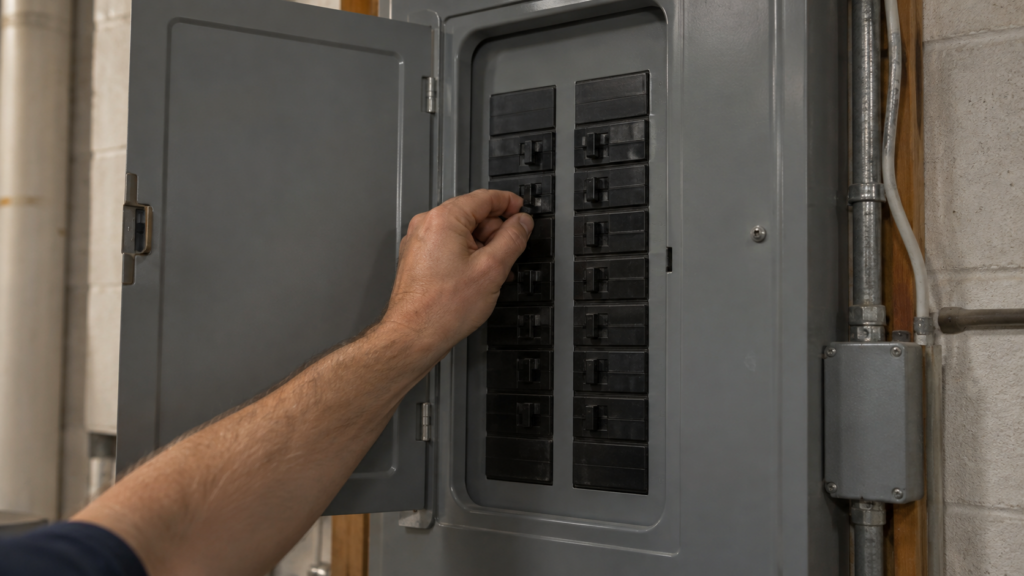
PF stands for Power Failure, and it shows up on ovens, ranges, refrigerators, cooktops and microwaves alike. What it means, how to clear it, and why a PF with no outage is a different matter.
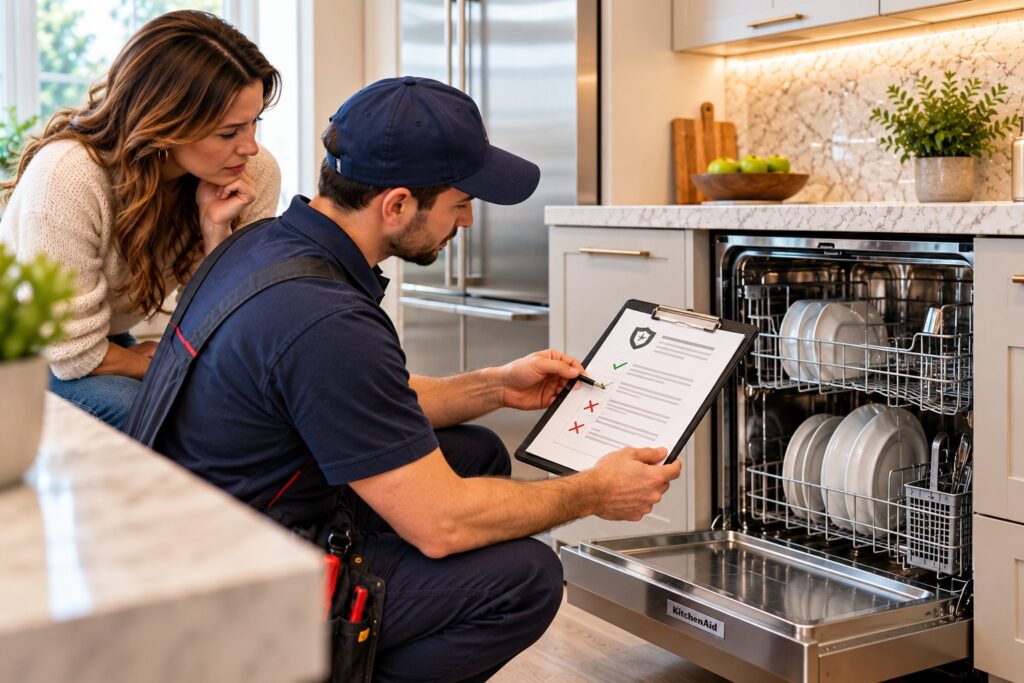
KitchenAid warranty coverage protects you from manufacturing defects, but terms vary by product type. Confirm your specific appliance's status before scheduling a repair to avoid unexpected costs.
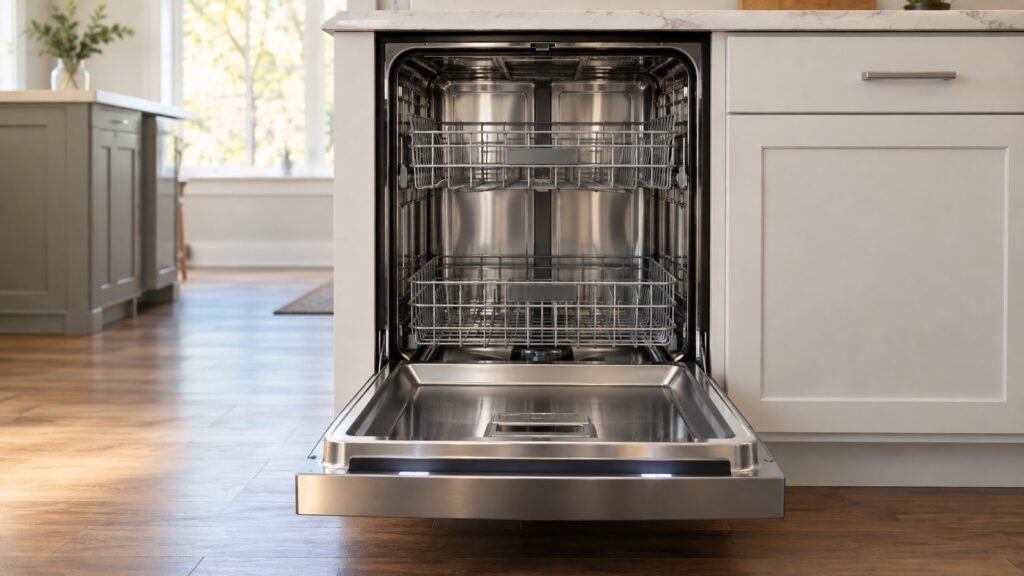
The machine can test itself and report what it found. Twenty minutes converts "it is not right" into a specific fault — or proves the problem is not a component at all.

KitchenAid dryer not drying clothes? Diagnose airflow restriction, heating element, and moisture sensor faults on legacy KEHS and KGHS models with AF, HE, and F3 error codes.

KitchenAid oven not heating? Diagnose element, sensor, and control board faults on KOSE, KODE, and KOCE models. Error codes F3 E0 and F3 E2 narrow the failure zone quickly.

KitchenAid gas range burner will not light? Diagnose ignition, spark electrode, and gas valve issues on KFDC500, KFGC500, and KSGB900 Commercial-Style models.

KitchenAid refrigerator not cooling? Diagnose condenser, defrost, and sensor faults on KRFF, KRFC, and KBFN models — plus error codes FF, FC, and dE that identify the failure zone.

KitchenAid dishwasher not draining? Learn the common causes of standing water in KDTM, KDTE, and KDPE models, error codes 8-1 and F9 E1, and what you can safely check.
If you have read the guide and still need assistance, we can help connect you with qualified service.